Alabama DUI Attorneys
The Polson Law Firm
The Polson Law Firm




An Alabama DUI arrest sets two separate legal tracks in motion – one administrative and one criminal – and both put your driver's license at risk. ALEA can suspend your driving privileges based on a BAC at or above 0.08 or a refusal to submit to chemical testing. This happens independent of what occurs in criminal court. On the criminal side, a conviction under DUI offenses triggers its own suspension or revocation period. In most cases, drivers must install a certified ignition interlock device on their vehicle before they can drive again. The interlock and license rules are governed primarily by the DUI statute for DUI offenses, interlock device standards, and administrative suspension process.

After a DUI arrest in Alabama, your license faces pressure from two directions at once. Understanding both tracks is critical. They run on different timelines and require separate responses.
The first track is administrative. Under the administrative suspension statute, ALEA's secretary must suspend driving privileges for anyone who drove with a BAC above the legal limit. This also applies if the person refused chemical testing. The action is based on the arresting officer's report and moves forward regardless of whether the criminal case ends in a conviction.
Under the notice of intended suspension provision, if the chemical test shows 0.08 percent or more by weight of alcohol in the blood, or the driver refuses a test, the officer serves a notice of intended suspension. This notice is served on behalf of ALEA at the time of arrest. The officer takes the driver's Alabama license and issues a temporary driving permit good for 30 days.
The second track is criminal. If the DUI case results in a conviction under Alabama DUI law, the court imposes its own suspension or revocation period. The length depends on prior DUI convictions within 10 years. It also depends on the driver's BAC and whether aggravating factors were present.
Both tracks may require the driver to install an Alabama ignition interlock device before regaining any driving privileges. In addition to the interlock requirement, convicted drivers must complete a DUI or substance abuse court referral program. ALEA will reissue a license only after program completion. A driver who completes a pretrial diversion or deferral program pays two mandatory $100 fees.
One of those fees goes to the Alabama Chemical Testing Training and Equipment Fund and the other to the Alabama Head and Spinal Cord Injury Trust Fund. On a conviction, part of the fine collected above set amounts is deposited into those same two funds. How much reaches each fund depends on whether the case is a first or a repeat conviction.

The judge cannot waive mandatory Alabama vehicle code punishments. The Alabama Legislature has created laws that block any DUI court judge from restoring driving privileges in "special cases." No one can receive special treatment based on personal connections. You should hire a DUI lawyer in Alabama who knows how to avoid a conviction.
After a drunk driving conviction, Alabama suspends your driver's license. Suspensions vary depending on your age and the number of previous DUI convictions. In most cases you must install an ignition interlock device to drive again, and a standard first offender may elect one to stay the 90-day suspension. The driver pays all installation, purchase, maintenance, and lease costs to an approved provider, and the statute sets no amount for them.
Alabama law ties ignition interlock devices directly to the offense level. The interlock period depends on the offense. The hard suspension before installation becomes available also depends on the offense. All these conditions turn on the specific facts of the case. Under the ignition interlock device standards, an ignition interlock device must prevent the vehicle from starting if the driver's breath sample registers a blood alcohol concentration of 0.02 or higher. The device must be installed, calibrated, and monitored by trained technicians near the vehicle. No driver may be required to install one if no certified provider operates within 50 miles of their home, business, or place of employment.
Below is a breakdown by offense level, drawn from Alabama DUI law. For the fines, jail terms, and probation that follow a conviction, see Alabama DUI Penalties If Convicted.
A first conviction within 10 years carries a 90-day license suspension. The suspension is stayed if the driver installs an approved ignition interlock device for 90 days. The driver must present proof of installation to ALEA. The driver must obtain an ignition interlock restricted driver license. The remainder of the suspension is commuted once the driver completes the interlock period.
A first conviction involving a BAC of at least 0.15 carries a 90-day suspension. So does a refusal to provide a blood alcohol concentration test. So does having a child under 14 as a passenger. So does causing injury to someone other than the driver. A BAC of 0.15 or more also doubles the minimum punishment the driver would otherwise face, covered in Alabama DUI: Enhanced Penalties for a Super DUI in Alabama.
In these cases, the driver must install an ignition interlock device for one year. After a minimum of 45 days of the suspension is completed, the driver may apply. The driver must get a court order from the convicting court. The driver must get issuance of an interlock restricted license. The driver must show proof of installation. Once all steps are complete, the one-year interlock period starts. The remaining suspension is stayed.
A second conviction brings a one-year license revocation. A mandatory two-year ignition interlock period also follows. After at least 45 days of the revocation is completed, the same process applies. The driver needs a court order. The driver needs a restricted license issuance. The driver needs proof of installation. These steps start the two-year clock. The remaining revocation is stayed.
A third conviction brings a three-year license revocation. A mandatory three-year ignition interlock period also follows. After at least 60 days of the revocation is completed, the same process applies. The driver needs a court order. The driver needs a restricted license issuance. The driver needs proof of installation. These steps start the three-year clock. The remaining revocation is stayed.
A fourth or subsequent conviction results in a five-year license revocation. A conviction where the driver has a prior felony DUI also results in a five-year license revocation. A four-year ignition interlock requirement follows. The driver must complete at least one year of the revocation before becoming eligible for an interlock restricted license.
Drivers who do not own a vehicle must pay $75 per month for the entire interlock period. This applies unless the court determines them to be indigent. In addition, any driver ordered or electing to install an interlock device must pay the court a $200 fee. This fee is divided among the Alabama Interlock Indigent Fund, judicial administration funds, the Highway Traffic Safety Fund, and the District Attorney's Solicitor Fund. All other costs for installation, maintenance, and leasing go directly to the approved interlock provider.
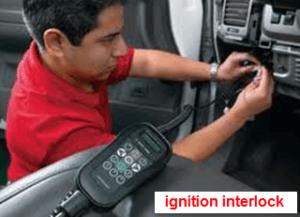
Drivers searching for Alabama HB1 ignition interlock changes are looking for the rules that let a driver stay on the road with an interlock device instead of sitting out a full suspension. Those rules are in the DUI statute, which lets ALEA stay a license suspension or revocation once the driver complies with the ignition interlock requirement. The statute applies that authority retroactively in the cases it lists, including a driver who wins an appeal and a driver ALEA has already issued an interlock restricted license.
For first-offense drivers, the DUI statute sets out the election directly. A driver with a standard first DUI may elect to install an interlock device. The 90-day suspension is stayed. For repeat offenders, the statute sets a hard-suspension period first. The interlock period begins after 45 days on a second conviction, 60 days on a third, and one year on a fourth or subsequent. A court order from the convicting court must be obtained.
Refusal cases also fall within the interlock framework. A driver who refuses chemical testing faces an administrative suspension. Upon conviction, the aggravated first-offense provisions apply. These provisions require one year of interlock use rather than the standard 90 days.
Drivers should consult the current statutory text and speak with an attorney to confirm how these interlock rules apply to their specific situation. The interaction between the administrative suspension, the criminal sentence, and the interlock timeline can vary. It depends on the facts of the case.
Yes. A second DUI conviction in Alabama within 10 years results in a one-year license revocation. The driver must have an ignition interlock device installed and operating on the vehicle for two years. The license issuance must indicate that driving privileges are subject to the installation and use of a certified ignition interlock device on a motor vehicle.
After a minimum of 45 days of the license revocation is completed, the driver may proceed. The driver must get a court order from the convicting court. The driver must get issuance of an ignition interlock restricted driver license. The driver must show proof of installation of an operational approved ignition interlock device on the designated vehicle.
Once all steps are complete, the mandated two-year ignition interlock period starts. The revocation is stayed. The remainder of the driver license revocation period is commuted upon successful completion of the period in which the ignition interlock device is mandated to be installed and operational.
Yes. An Alabama DUI arrest triggers an administrative license action by ALEA. A conviction triggers an additional court-ordered suspension or revocation. The administrative action can take effect before the criminal case is resolved.
Under the administrative suspension statute, ALEA must suspend driving privileges when the driver's BAC was above the legal limit or the driver refused testing. The criminal conviction then adds its own suspension or revocation period under Alabama DUI law. The length depends on the driver's BAC, the number of prior DUIs within 10 years, and any aggravating factors such as a child passenger or an accident with injuries.
For most drivers, the path back to driving runs through an ignition interlock device. Even a first-offense driver faces a 90-day suspension that can only be stayed by electing to install an interlock. Drivers with higher BAC levels, prior convictions, or aggravating circumstances face longer interlock requirements. The offense-by-offense breakdown above covers the interlock device requirement details.

Alabama DUI cases involve two separate proceedings. Each can result in a loss of driving privileges. Knowing the difference – and the deadlines – matters.
The ALEA administrative action is a civil proceeding. It is triggered at arrest when the officer serves a notice of intended suspension on behalf of ALEA under the notice of intended suspension provision. This happens if the chemical test shows a BAC of 0.08 or more, or if the driver refuses testing. Under the administrative suspension statute, ALEA's determination is independent of the criminal case. The suspension can take effect even if the DUI charge is later reduced or dismissed.
The 10-day appeal deadline is critical. A driver who wants a hearing must ask for one in writing within 10 days of the notice, and missing that deadline waives both the hearing and judicial review. An administrative review may be asked for within 90 days, but only a request made within 10 days is decided before the suspension starts. The suspension itself takes effect 45 days after the driver receives the notice, regardless of what happens in criminal court.
The criminal court action is separate. If the driver is convicted under Alabama DUI law, the court orders its own suspension or revocation period. The length varies by offense. A standard first offense brings 90 days. A second offense brings one year of revocation. A third offense brings three years. A fourth or subsequent offense brings five years. The criminal suspension runs in addition to any administrative action, though the interlock framework may allow certain periods to be stayed.
The key differences are timing and burden. The administrative action moves quickly and is based on the officer's report. The criminal action follows the pace of court proceedings and requires a conviction. Both may be challenged, but each requires a separate strategy.

Alabama drivers facing an ALEA administrative suspension have a narrow window to fight it. The notice of intended suspension served at arrest starts the clock. Drivers must request an administrative hearing in writing within 10 days of the notice, or they waive the hearing and the suspension takes effect automatically.
An administrative license suspension attorney handles this civil proceeding separately from the criminal DUI defense. At the ALEA hearing, the attorney may challenge whether the traffic stop was lawful. The attorney may challenge whether the chemical test was properly administered. The attorney may challenge whether the refusal advisement was correctly given. The attorney may challenge whether ALEA met its burden of proof for the suspension.
This hearing is not a criminal trial. It is an administrative proceeding focused on whether the facts support the license action. The outcome does not determine guilt or innocence on the DUI charge. The DUI criminal case does not determine the outcome of the administrative hearing. Because these are parallel tracks, a driver could win the administrative hearing and still face a criminal license suspension upon conviction. Or the driver could lose the administrative hearing and still be acquitted of the DUI.
Acting quickly is essential. Once the administrative suspension takes effect, the driver loses the ability to challenge it through the ALEA hearing process. An attorney familiar with ALEA procedures can file the hearing request, gather evidence, and represent the driver at the hearing. The attorney can also prepare the criminal defense.
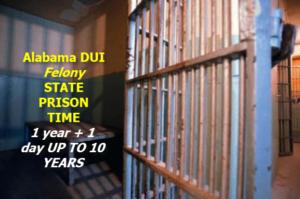
Driving on a suspended or revoked Alabama license after a DUI carries serious consequences. Under Alabama law, any person whose license or driving privilege has been suspended or revoked may not operate a motor vehicle in Alabama. This applies under any license or permit, including one issued by another state. The suspension or revocation period must end and a new license must be obtained before driving.
A driving while license suspended charge is separate from the underlying DUI. Under the penalties for driving while suspended, a conviction brings a fine of not less than $100 and not more than $500, up to 180 days in jail, and a $50 added penalty. The Director of Public Safety may add six months of revocation, and the vehicle is impounded at the scene when the suspension came from a DUI-related offense. It also differs from driving outside the terms of an ignition interlock restricted license – for example, driving a vehicle without an installed interlock device while holding an interlock-restricted license. A first violation of an interlock restriction is a Class A misdemeanor and adds six months to the interlock period.
A new driving while suspended charge can also complicate the existing DUI case. The court may view continued driving as a violation of conditions. ALEA may extend the suspension period. Drivers who believe the underlying DUI stop was unlawful should challenge the stop through proper legal channels rather than drive on a suspended license. Driving while suspended can compound legal problems.
Anyone facing both a DUI suspension and a potential driving while suspended charge should consult with a driving while license suspended attorney. This attorney should understand how these overlapping proceedings interact under Alabama law.
Fighting an Alabama DUI license suspension requires attention to both tracks – the ALEA administrative hearing and the criminal court proceedings where interlock conditions are set. Missing a deadline on either side can mean losing driving privileges that could otherwise be preserved.
Polson & Polson, P.C. focuses on Alabama DUI defense, including administrative license suspension hearings before ALEA and criminal defense in courts across the state. The firm handles the full range of license and interlock issues that follow an Alabama DUI arrest. This includes contesting the initial administrative suspension. It includes navigating the interlock installation, compliance, and restricted license process.
If you are facing an Alabama DUI and need to protect your driving privileges, contact Polson & Polson, P.C. for a free consultation. You can also request a free Alabama DUI case evaluation or watch a short video introduction to the Polson Law Firm. Time is critical. The deadline to request an ALEA administrative hearing is short, and it cannot be extended.

After a DUI arrest, the arresting officer serves a notice of intended suspension on behalf of ALEA under the notice of intended suspension provision. The request for an administrative hearing must reach ALEA in writing within 10 days of that notice. Missing the 10-day deadline waives the hearing and judicial review, and the suspension takes effect automatically. This administrative action is independent of the criminal case, so missing the deadline means the license suspension stands regardless of the DUI charge outcome. Contact an attorney immediately after arrest to preserve this right.
Drivers are responsible for all costs of installation, maintenance, calibration, and removal of the interlock device. These costs are paid directly to an approved provider. Additionally, under Alabama DUI law, a $200 court fee is required upon conviction or voluntary installation. Drivers who do not own a vehicle must pay $75 per month for the entire interlock period. Drivers determined by the court to be indigent may qualify for reduced or waived costs through the Alabama Interlock Indigent Fund under the interlock device standards provision.
Alabama's DUI statute allows an ignition interlock device as an alternative to sitting out a full license suspension in certain cases. For a standard first DUI under Alabama DUI law, the 90-day suspension may be stayed if the driver elects to install an approved interlock device for 90 days. This does not eliminate the suspension – it stays the suspension while the driver complies with the interlock requirement. Aggravated first offenses and repeat offenses involve longer interlock periods and minimum hard-suspension days before the interlock period can begin.
Driving while your license is suspended or revoked is a separate misdemeanor punishable by a fine of not less than $100 and not more than $500, up to 180 days in jail, and up to six more months of revocation. Under Alabama law, a person whose license has been suspended or revoked may not drive under any license, including one issued by another state. A new charge can also complicate your existing DUI case and extend the timeline before you regain full driving privileges. Consult an attorney rather than risk compounding your legal situation.


